Source Cup Shape KN95 Dust Mask With Exhalation Valve for Industry Mining Transport
Compare 30 cup shape KN95 dust mask with exhalation valve options from verified Chinese manufacturers. These respirators feature adjustable nosepieces, 3-ply construction, and CE standards for reliable respiratory protection in industrial settings; compare the available evidence and request quotations based on your requirements.
Key considerations
Products List




Comprehensive Sourcing Guide
Cup Shape KN95 Dust Mask with Exhalation Valve Sourcing Guide
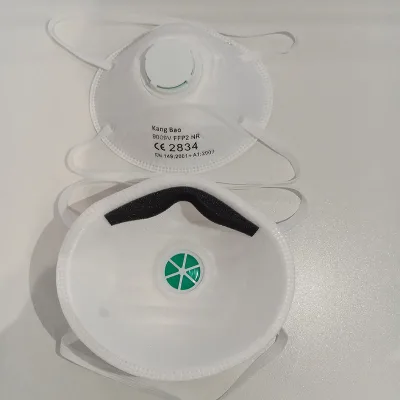
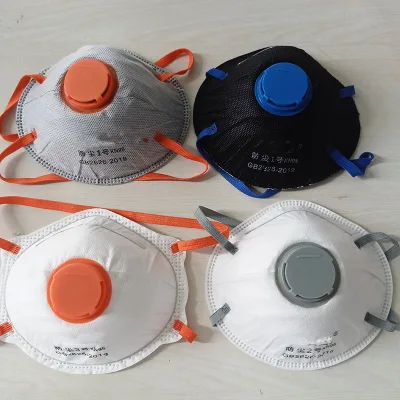
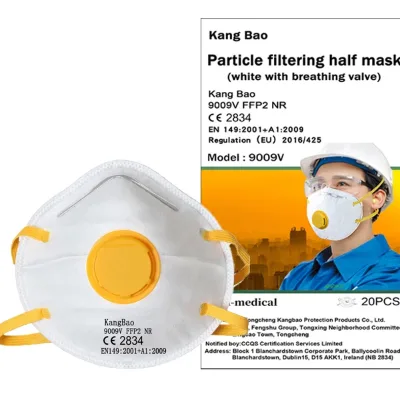
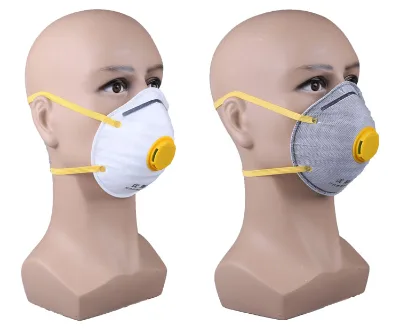
Buyers must first distinguish between standard cup-shaped respirators and those equipped with an exhalation valve, as the valve significantly alters thermal comfort and breathability for the wearer. The observed product data confirms that specific models, such as DM009V and DM023V, are explicitly listed with valve features, while others like DM009 lack this component entirely. This distinction is critical because valved masks are generally unsuitable for sterile environments where exhaled breath must be filtered, whereas non-valved options provide bidirectional protection. Procurement teams should verify the valve presence on every sample before finalizing orders to ensure the equipment matches the intended safety protocol.
The market listing signals indicate a diverse range of configurations, including variations in layer construction and material composition that directly impact filtration efficiency. While many items are described as three-ply non-woven fabric masks, some entries reference specific fabric types like melt brown fabric, suggesting potential differences in filtration media quality. Buyers should not assume all cup-shaped masks in this category share identical performance characteristics simply because they share a general shape. It is essential to request detailed material specifications for each model to confirm that the filtration layers meet the required protection levels for the specific industrial or construction applications identified in the product descriptions.
Product Scope and Observed Listing Signals
The observed product scope reveals a clear segmentation between disposable respirators designed for general dust protection and those intended for more demanding industrial environments. Listings frequently cite applications in construction, mining, and transportation, which aligns with the functional claims of respiratory protection and dustproofing found in the data. However, the presence of specific model numbers like JC-2018V and F111 alongside generic descriptions suggests that buyers must carefully map their specific hazard requirements to the correct model number rather than relying on broad category names. This precision prevents the accidental procurement of masks with insufficient filtration ratings for high-dust scenarios.
Pricing and minimum order quantities observed in the listings vary significantly, with MOQs ranging from 400 to 10,000 units and prices fluctuating between 0.05 and 1 USD per unit. These commercial signals indicate that suppliers offer flexible terms for different order volumes, but the wide price range necessitates a thorough comparison of unit costs against the specific features of each model. Buyers should be aware that lower-priced items may correspond to simpler constructions or different packing configurations, such as 10 pieces per color box versus 20 pieces per box. Understanding these commercial variables is vital for budgeting and ensuring that the selected supplier can meet the required volume without compromising on the necessary safety features.
Technical Specifications to Verify
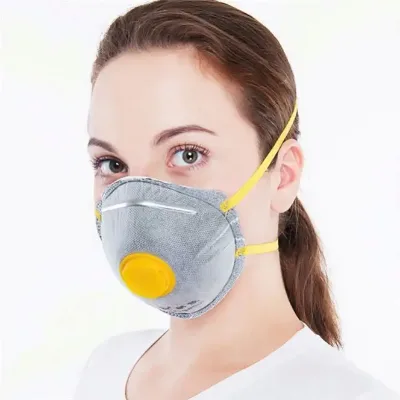
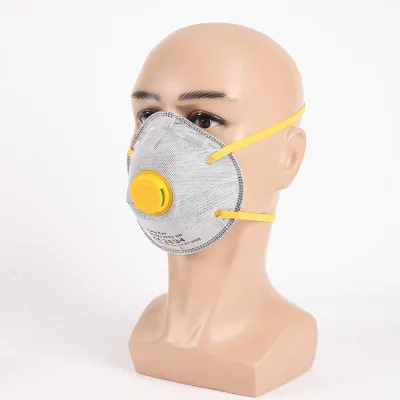
Verification of the physical construction is paramount, as the data highlights specific features like adjustable nosepieces and inner foam that affect the seal and comfort of the mask. Models such as DM008V and DM009V are noted to have adjustable belts and one-size-fits-all designs, which are crucial for ensuring a tight seal across different face shapes in a diverse workforce. Buyers must confirm that the adjustable belt length is sufficient to accommodate the intended adult age group and that the nosepiece material provides the necessary malleability to prevent air leakage. A poor seal renders even the highest-rated filtration media ineffective, making these structural details a primary focus during the sampling phase.
The filtration layer composition and valve mechanics require rigorous inspection to ensure they function as advertised in the product listings. While many items are described as three-ply, the specific material composition, such as non-woven fabric, must be verified to ensure it meets the expected filtration standards for the intended application. Additionally, the presence of an exhalation valve must be confirmed visually and functionally, as some models like DM009 are listed without valves while others explicitly state "Valve: Yes." Buyers should test the valve's opening and closing mechanism to ensure it does not stick or leak, as a malfunctioning valve can compromise the respiratory protection provided during heavy exertion.
Compliance and Safety Documentation
Compliance verification is a critical step, as the observed data includes references to standards such as CE and EN 149:2001, which are essential for market access and safety assurance. Buyers must request valid certification documents for the specific model numbers they intend to purchase, as the presence of a standard in a listing does not guarantee that every unit produced meets that standard. It is necessary to confirm that the CE marking or EN 149 certification applies to the exact model variant, including its valve configuration and material composition, to avoid regulatory non-compliance in the destination market.
Safety documentation should also include detailed test reports that validate the filtration efficiency and breathing resistance of the masks under controlled conditions. While the product descriptions mention functions like respiratory protection and dustproofing, these claims must be backed by independent laboratory test results that align with the cited standards. Buyers should ensure that the supplier provides up-to-date test certificates that cover the specific batch or production run, as older certificates may not reflect current manufacturing quality. Without this documentation, the procurement of safety equipment carries significant legal and operational risks, particularly in regulated industries like mining and construction.
Cost Drivers and Commercial Terms
Cost drivers in this category are heavily influenced by the complexity of the mask design, particularly the inclusion of an exhalation valve and the quality of the filtration materials. Models with valves, such as the DM009V, often command different pricing structures compared to non-valved counterparts due to the additional components and assembly steps required. Buyers should analyze the cost per unit relative to the specific features provided, ensuring that the premium paid for a valve or advanced nosepiece construction translates into tangible benefits for worker comfort and safety. Understanding these cost drivers helps in negotiating better terms and selecting the most cost-effective solution for the specific operational needs.
Commercial terms, including minimum order quantities and packing configurations, vary widely among suppliers and must be carefully evaluated to align with inventory management strategies. The observed data shows MOQs ranging from 400 to 10,000 units, with packing options like 15 pieces per color box or 20 pieces per box, which affects storage and distribution logistics. Buyers should negotiate flexible MOQs where possible to reduce initial capital outlay and ensure that the packing format minimizes waste and maximizes shelf space. Additionally, lead times and production capacity, such as the observed 100,000 pieces per month, should be confirmed to ensure the supplier can meet demand spikes without causing supply chain disruptions.
Supplier Qualification and Quality Control
Supplier qualification requires a thorough assessment of their manufacturing capabilities and quality control systems, particularly given the diverse range of models and specifications observed in the listings. Buyers should verify that the supplier has a proven track record of producing masks that meet the specific standards cited, such as EN 149:2001, and that they maintain consistent quality across different production batches. It is essential to conduct on-site audits or request detailed quality assurance reports to ensure that the supplier's processes are robust enough to prevent defects like valve malfunctions or inconsistent filtration layers.
Quality control protocols must be strictly enforced to ensure that every mask delivered meets the required safety and performance criteria. Buyers should implement a rigorous inspection process that includes random sampling and testing of key features, such as the valve function, belt adjustability, and material integrity. The observed variation in packing and model numbers suggests that suppliers may produce multiple variants, making it crucial to verify that the correct specifications are being manufactured for each order. Establishing clear quality benchmarks and conducting regular audits helps mitigate the risk of receiving substandard products that could compromise worker safety.
Long-Term Procurement Checks
Long-term procurement success depends on establishing a reliable supply chain that can consistently deliver high-quality masks while adapting to changing market demands. Buyers should maintain open communication with suppliers to monitor production capacity and ensure that they can scale up or down as needed without compromising quality. Regular reviews of supplier performance, including delivery times and defect rates, are essential to identify potential issues early and implement corrective actions before they impact operations. Building a strong partnership with qualified suppliers fosters trust and ensures a steady supply of protective equipment for the workforce.
Continuous monitoring of regulatory changes and industry standards is vital to ensure that the procured masks remain compliant and effective over time. As safety regulations evolve, buyers must stay informed about new requirements and ensure that their suppliers can adapt their products accordingly. This proactive approach helps avoid disruptions caused by non-compliant inventory and ensures that the organization remains protected against emerging hazards. By maintaining a dynamic procurement strategy that includes regular updates and assessments, buyers can safeguard their operations and the health of their employees in the long term.
FAQs
What materials are used in this cup shape kn95 dust mask with exhalation valve?
The mask is constructed from non-woven fabric layers, providing a lightweight and breathable structure for daily wear. It features a three-ply design that balances filtration efficiency with comfort. The inclusion of an exhalation valve helps reduce heat buildup, making it suitable for extended use in industrial or construction environments where dust protection is required.
Can I customize the packaging for bulk orders of this respirator?
Yes, customization is available for bulk purchases of this respirator. Standard packing options include ten pieces per color box with two hundred pieces per carton, or fifteen pieces per color box with three hundred pieces per carton. Buyers can specify their preferred packaging configuration to align with their distribution needs and retail presentation requirements.
Which certifications apply to this dust mask model DM009V?
The DM009V model holds CE certification, indicating compliance with relevant European health, safety, and environmental protection standards. This certification ensures the product meets specific regulatory requirements for personal protective equipment. Buyers should verify the exact certification documents provided by the supplier to confirm suitability for their target market and regulatory obligations.
What is the monthly production capacity for these masks?
The manufacturing facility has a monthly production capacity of 100,000 pieces for these masks. This capacity supports consistent supply for large-scale procurement needs. Buyers requiring volumes exceeding this threshold should discuss lead times and production scheduling with the supplier to ensure timely delivery and maintain inventory levels for ongoing projects.
How does the valve feature improve comfort during use?
The exhalation valve allows warm, moist air to escape easily, reducing heat and humidity buildup inside the mask. This feature significantly improves comfort during prolonged wear, especially in warm environments or during physical activity. The valve is integrated into the cup-shaped design, maintaining a secure seal while enhancing breathability for the user.
What is the minimum order quantity for this respirator?
The minimum order quantity varies by model, with some listings indicating an MOQ of 5,000 pieces. Other models may have different thresholds, such as 400 to 10,000 pieces depending on the specific variant and customization requirements. Buyers should confirm the exact MOQ for their selected model to ensure alignment with their procurement volume.